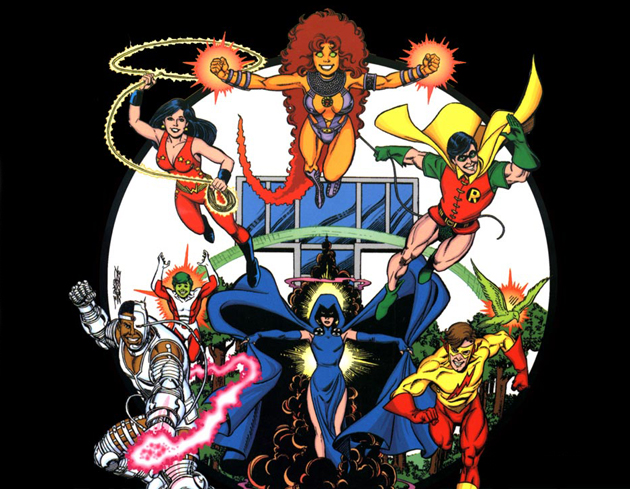
Here’s another big DC update for you guys. These books now all have publication information, ISBNs, etc.
This brings us through to page 6, or about 1982.
The New Teen Titans Archives Vol. 2 
Batman: The Secrets of the Batcave
DC Comics Classics Library: The Justice League Of America by George Perez Vol. 1
Superboy: The Greatest Team-Ups Ever Told
The New Teen Titans Archives Vol. 1
Pulp Fiction Library: Mystery In Space
Crisis On Multiple Earths Vol. 5
Superman / Batman: The Saga of the Super Sons
Superman From The 30s To The 80s
Super Friends! Truth, Justice and Peace!
Batman: The Greatest Joker Stories Ever Told
Superman: Adventures Of Nightwing And Flamebird
Superman: Bottle City of Kandor
Justice League: The Justice League Hereby Elects
Black Lightning: Year One
Huntress: Dark Knight Daughter
Justice Society Vol. 2
Super Friends! Your Favorite Television Super-Team is Back!
Superman In The Seventies
Superman Vs. Muhammad Ali (Deluxe Facsimile Edition)
Superman Vs. Muhammad Ali
DC’s Greatest Imaginary Stories Vol. 2: Batman & Robin
Showcase Presents: The Phantom Stranger Vol. 2
Batman In The Seventies
Justice Society Vol. 1
Legion of Super-Heroes Archives Vol. 12
Shazam! From The 40s To The 70s
Superman: The Daily Planet
Jack Kirby’s OMAC: One Man Army Corps Omnibus
Legion of Super-Heroes Archives Vol. 11
The Action Heroes Archives Vol. 2
Showcase Presents: Robin The Boy Wonder
Spectre: Wrath of the Spectre
Superman: The Amazing Transformations of Jimmy Olsen
Manhunter: Special Edition
Showcase Presents: Secrets of Sinister House
Batman: The Saga of Ra’s Al Ghul / Tales of the Demon
The Flash / Green Lantern: The Brave And The Bold
Showcase Presents: House of Mystery Vol. 3
Kamandi Archives Vol. 2
Legion of Super-Heroes Archives Vol. 10
Showcase Presents: House of Secrets Vol. 2
Jack Kirby’s Fourth World Omnibus Vol. 4
Jack Kirby’s Fourth World Featuring: Mister Miracle
Green Lantern / Green Arrow Vol. 2
Kamandi Archives Vol. 1
Batman Illustrated by Neal Adams Vol. 3
Showcase Presents: The Brave And The Bold: Batman Team-ups Vol. 2
DC Universe Illustrated By Neal Adams Vol. 1
Secret Origins of the Super DCÂ Heroes
Showcase Presents: House of Mystery Vol. 2
The Green Lantern / Green Arrow Collection
Deadman: The Deadman Collection
Jack Kirby’s The Forever People
Jack Kirby’s New Gods
Jack Kirby’s Fourth World Omnibus Vol. 3
Jack Kirby’s Mister Miracle
Jack Kirby’s Fourth World Omnibus Vol. 1
Jimmy Olsen: Adventures By Jack Kirby Vol. 2
The Black Canary Archives Vol. 1
Jack Kirby’s Fourth World Omnibus Vol. 2
Showcase Presents: Teen Titans Vol. 2
DC Comics Classics Library: Superman: Kryptonite Nevermore
Jimmy Olsen: Adventures By Jack Kirby Vol. 1
Showcase Presents: House of Mystery Vol. 1
Green Lantern / Green Arrow Vol. 1
Batman Illustrated by Neal Adams Vol. 2
Superman From The 30s To The 70s
Batman From The 30s To The 70s
Legion of Super-Heroes Archives Vol. 9
Showcase Presents: The Justice League of America Vol. 4
Justice League Of America Archives Vol. 9
Showcase Presents: Green Lantern Vol. 4
Enemy Ace: War Idyll
Batman in The Sixties
T.H.U.N.D.E.R. Agents Archives Vol. 6
Showcase Presents: Hawkman Vol. 2
DC’s Greatest Imaginary Stories
Batman Illustrated by Neal Adams Vol. 1
Showcase Presents: Batman Vol. 4
The Creeper By Steve Ditko
Justice League Of America Archives Vol. 8
Showcase Presents: Metal Men Vol. 2
Legion of Super-Heroes Archives Vol. 8
Showcase Presents: The Brave And The Bold: Batman Team-ups Vol. 1
Showcase Presents: Legion of Super-Heroes Vol. 3
The Doom Patrol Archives Vol. 5
Showcase Presents: Teen Titans Vol. 1
Showcase Presents: Doom Patrol Vol. 2
Showcase Presents: The Atom Vol. 2
Showcase Presents: Batman Vol. 3
Superman in The Sixties
Legion of Super-Heroes Archives Vol. 7
Showcase Presents: Dial H For Hero
Showcase Presents:Â Metamorpho
Showcase Presents: Martian Manhunter Vol. 2
Showcase Presents: Green Lantern Vol. 3
Showcase Presents: The War That Time Forgot
Showcase Presents: The Justice League of America Vol. 3
Justice League Of America Archives Vol. 7
Showcase Presents: World’s Finest Vol. 3
Showcase Presents: The Elongated Man
DC Comics Classics Library: The Flash of Two Worlds
Bat-Manga!: The Secret History of Batman in Japan
The Doom Patrol Archives Vol. 4
T.H.U.N.D.E.R. Agents Archives Vol. 5
Legion of Super-Heroes Archives Vol. 6
DC Comics Classics Library: Legion Of Super-Heroes: The Life And Death of Ferro Lad
T.H.U.N.D.E.R. Agents Archives Vol. 4
The Adam Strange Archives Vol. 3
Batman: Fortunate Son
Justice League Of America Archives Vol. 6
Showcase Presents: Batman Vol. 2
The Silver Age Teen Titans Archives Vol. 1
T.H.U.N.D.E.R. Agents Archives Vol. 3
Sugar And Spike Archives Vol. 1
T.H.U.N.D.E.R. Agents Archives Vol. 1
T.H.U.N.D.E.R. Agents Archives Vol. 2
Superman’s Girlfriend Lois Lane Archives Vol. 1
T.H.U.N.D.E.R. Agents Archive Vol. 7
Legion of Super-Heroes Archives Vol. 5
The Green Lantern Archives Vol. 6
The Action Heroes Archives Vol. 1
The Doom Patrol Archives Vol. 3
Legion of Super-Heroes Archives Vol. 4
The Mighty Crusaders: Origin Of AÂ Super-Team
Justice League Of America Archives Vol. 5
The Doom Patrol Archives Vol. 2
The Green Lantern Archives Vol. 5
The Hawkman Archives Vol. 2
Batman: The Dynamic Duo Archives Vol. 2
Legion of Super-Heroes Archives Vol. 3
Batman: The Dynamic Duo Archives Vol. 1
Justice League Of America Archives Vol. 4
The Doom Patrol Archives Vol. 1
The Atom Archives Vol. 2
DC Comics Classics Library: Batman: The Annuals Vol. 2
The Green Lantern Archives Vol. 4
The Brave And The Bold Team-Up Archives Vol. 1
The Hawkman Archives Vol. 1
Legion of Super-Heroes Archives Vol. 2
The Metal Men Archives Vol. 1
The Atomic Knights
The Flash Archives Vol. 5
Justice League Of America Archives Vol. 3
The Green Lantern Archives Vol. 3
The Atom Archives Vol. 1
Legion of Super-Heroes Archives Vol. 1
The Adam Strange Archives Vol. 2
The Flash Archives Vol. 4
The Green Lantern Chronicles Vol. 3
Justice League Of America Archives Vol. 2
DC Comics Classics Library: Batman: The Annuals Vol. 1
The Green Lantern Archives Vol. 2
I also fixed a typo in the title of Gotham City Sirens Vol. 1:Â Union.
Wow that was a bunch. I’ll try to bring the blog updates more often so I don’t have to put so much in one post!



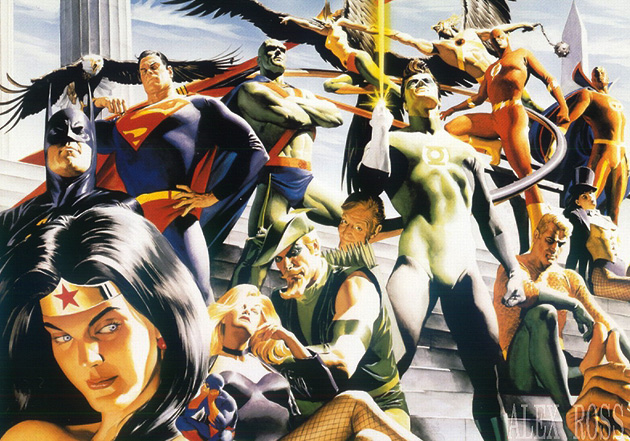


 Now you can find all your DC Universe wishes.
 Also, I updated some Spider-Man books.